
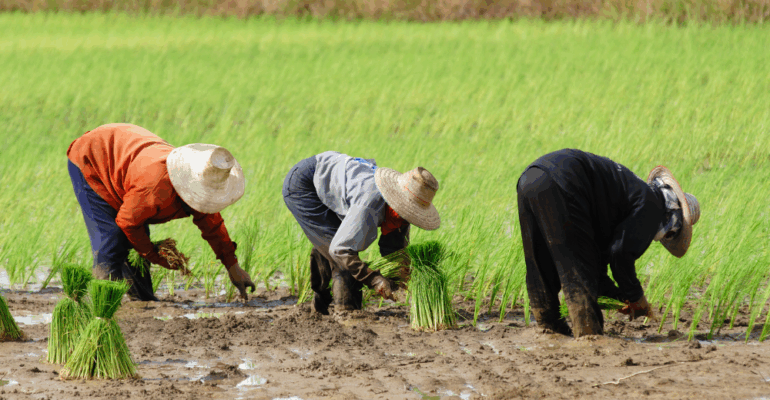
Organic farming has gained significant traction in recent years, with its focus on sustainable practices, environmental preservation, and healthier food production. As this industry expands, women entrepreneurs are increasingly stepping into the field, breaking down barriers and making their mark in an industry historically dominated by men.
However, while organic farming presents numerous opportunities for women entrepreneurs, it also comes with unique challenges that must be navigated to ensure success. This blog explores the key challenges women entrepreneurs face in organic farming and the opportunities available to help them thrive in this growing industry.
Challenges Faced by Women Entrepreneurs in Organic Farming
1. Limited Access to Resources and Funding
One of the primary challenges faced by women entrepreneurs in organic farming is limited access to resources, especially financial support. In many regions, women have less access to land ownership, which is a major barrier to entering the farming industry. Furthermore, financial institutions often exhibit bias against women when it comes to providing loans or credit for agricultural ventures.
This lack of access to capital can make it difficult for women to purchase land, buy organic inputs (such as certified organic seeds, fertilizers, and equipment), and scale their operations. Many women in rural areas also face challenges in accessing training and development programs that would help them build the necessary skills for managing a successful farm.
2. Social and Cultural Barriers
In many societies, agriculture is viewed as a male-dominated field, with women traditionally being excluded from decision-making roles in farming. Women in rural areas often face societal pressures that discourage them from pursuing entrepreneurial ventures. Cultural norms and family expectations can further limit their participation in agriculture, as women may be expected to focus on domestic responsibilities rather than managing a business.
In addition, there is often a lack of representation of women in agricultural leadership roles, which can make it difficult for aspiring female farmers to find mentors or role models who can provide guidance and support.
3. Gender Bias and Lack of Market Recognition
Even when women successfully establish themselves as organic farmers, they often face gender bias in the marketplace. Many buyers, distributors, and even fellow farmers may underestimate the capabilities of women entrepreneurs, viewing them as less capable or experienced than their male counterparts.
Moreover, women-led organic farms may struggle to gain the same level of recognition or certification as their male counterparts, even if they produce equally high-quality products. This lack of market recognition can limit their ability to access premium markets or expand their customer base.
4. Balancing Family and Farm Responsibilities
Women entrepreneurs in organic farming often face the added pressure of balancing their farm responsibilities with family obligations. In many cultures, women are expected to manage household chores, childcare, and elder care, while also running a farm. This double burden can lead to burnout and can make it difficult to scale their businesses.
The demands of running a farm and caring for a family can result in women working longer hours than their male counterparts, but without the same level of support or recognition. Finding the right balance between these responsibilities is a constant challenge for women in organic farming.
5. Knowledge and Technical Barriers
Organic farming requires specialized knowledge in areas like soil health, pest management, crop rotation, and organic certification. While there are many resources available to aspiring farmers, women may not always have access to the same technical training opportunities as men. This knowledge gap can hinder their ability to fully embrace organic farming methods and may lead to lower productivity or profitability.
In addition, many women face difficulty in accessing modern farming technologies, such as machinery, data analytics, and digital platforms, which are essential for improving farm efficiency and profitability.
Opportunities for Women Entrepreneurs in Organic Farming
Despite these challenges, there are numerous opportunities for women entrepreneurs in the organic farming industry. By overcoming barriers and leveraging the unique advantages they bring to the table, women can create successful and sustainable organic farms that contribute to both local communities and the broader agricultural sector.
1. Growing Consumer Demand for Organic Products
One of the most significant opportunities for women in organic farming is the growing global demand for organic produce. Consumers are becoming increasingly health-conscious and are seeking out products that are free from synthetic chemicals and pesticides. This trend has led to a surge in demand for organic food, creating a strong market for women entrepreneurs who are able to produce high-quality organic crops.
By establishing themselves as trusted suppliers of organic products, women entrepreneurs can take advantage of this expanding market and build profitable businesses. Moreover, with the rise of direct-to-consumer sales models, such as farmers’ markets and online platforms, women can reach a broader audience and achieve higher profit margins without relying solely on traditional distributors.
2. Access to Government Grants and Support Programs
Many governments and non-governmental organizations (NGOs) are recognizing the importance of supporting women in agriculture, particularly in sustainable and organic farming. As a result, numerous funding opportunities, grants, and training programs are available to women entrepreneurs in organic farming. These initiatives are designed to help women overcome financial barriers and gain the necessary skills and resources to succeed in the industry.
In addition, there are various women-focused farming cooperatives and networks that offer mentorship, resources, and community support. By joining these networks, women can build relationships with other like-minded entrepreneurs, access shared resources, and create collaborative business ventures that drive success.
3. Sustainable and Eco-Friendly Farming Methods
Women entrepreneurs are uniquely positioned to lead the way in sustainable farming practices. Studies have shown that women tend to be more environmentally conscious and community-oriented than their male counterparts. These qualities make women excellent candidates to implement eco-friendly farming methods that not only protect the environment but also ensure the long-term viability of farming operations.
By adopting sustainable farming practices, such as agroecology, permaculture, and regenerative agriculture, women can build farms that are resilient to climate change, reduce environmental impact, and contribute to the restoration of ecosystems. These practices also enhance the social value of their businesses, helping them gain recognition as responsible, forward-thinking entrepreneurs.
4. Technological Advancements and Digital Platforms
The rise of digital platforms and technology in agriculture presents a unique opportunity for women entrepreneurs. Technologies like precision farming, drone monitoring, and data analytics can help farmers improve their productivity, reduce costs, and manage resources more efficiently. Women can leverage these tools to optimize their farm operations and stay competitive in the market.
Additionally, e-commerce platforms provide a direct channel for women to market and sell their organic products. By using digital marketing strategies, social media, and online marketplaces, women entrepreneurs can increase their visibility and reach a global audience, breaking down geographical barriers that previously limited their market potential.
5. Women as Community Leaders in Rural Areas
In rural areas, women often play a central role in the community, acting as leaders, educators, and caregivers. This influence gives women a unique advantage in promoting sustainable farming practices and educating others about the benefits of organic agriculture. By using their position in the community, women can become advocates for sustainable farming, inspiring others to adopt eco-friendly practices and build stronger local economies.
6. Collaborations with NGOs and Social Enterprises
Women entrepreneurs in organic farming can also collaborate with NGOs, social enterprises, and ethical brands that support sustainable agriculture. These partnerships can provide access to new markets, funding, and resources. By aligning with like-minded organizations, women can strengthen their impact, grow their businesses, and contribute to the wider movement for social and environmental change.
Conclusion
While women entrepreneurs in organic farming face several challenges, they also have unique opportunities to create lasting impact and drive economic growth in their communities. With the right support, resources, and determination, women can overcome barriers, build sustainable businesses, and contribute to the growth of the organic farming industry.
By embracing sustainable farming methods, leveraging technological advancements, and creating strong networks of support, women entrepreneurs can not only thrive but also inspire future generations of women to follow in their footsteps. The opportunities are vast, and the time for women to take their place at the forefront of organic farming is now.
